The primary defense for New England
Soil treatment is the standard, most relevant method for New England’s subterranean termite problem — as opposed to tenting, which is more associated with drywood termites and is far less commonly needed here.
Standard for subterranean termites
A continuous treated zone termites can’t cross undetected.
Termite soil treatment creates a chemical barrier in the ground around a home’s foundation that stops subterranean termites — the type common in Massachusetts — from reaching the structure. Brockton Termite Inspectors installs soil/perimeter treatments for homes throughout Brockton, MA — call (508) 446-9237 for an inspection and treatment plan.
Soil treatment is the standard, most relevant method for New England’s subterranean termite problem — as opposed to tenting, which is more associated with drywood termites and is far less commonly needed here.
A liquid termiticide is applied in a continuous barrier along and beneath the foundation perimeter, using trenching and/or drilling where there’s a slab or hardscape in the way. This creates a treated zone that subterranean termites can’t cross undetected — either repelling them outright, or, with modern non-repellent formulations, being carried back into the colony by termites that pass through it.
Modern liquid soil treatments are generally rated for around 5–10+ years of protection, depending on the product and soil conditions. Effectiveness can be reduced by soil disturbance near the treated zone — landscaping, construction, or heavy rain and erosion — so we recommend periodic reinspection rather than a "treat once and forget it" approach.
Older repellent chemistries work by termites simply avoiding the treated soil. Modern non-repellent chemistries are more effective: termites can’t detect the treatment, cross it, and carry it back to the colony, affecting termites that never directly contacted the barrier. Non-repellent formulations are the more effective modern standard.
Severe, already-established infestations inside the structure may need to be paired with spot treatment or, in rarer New England cases, tenting. See our treatment and tenting pages for those options.
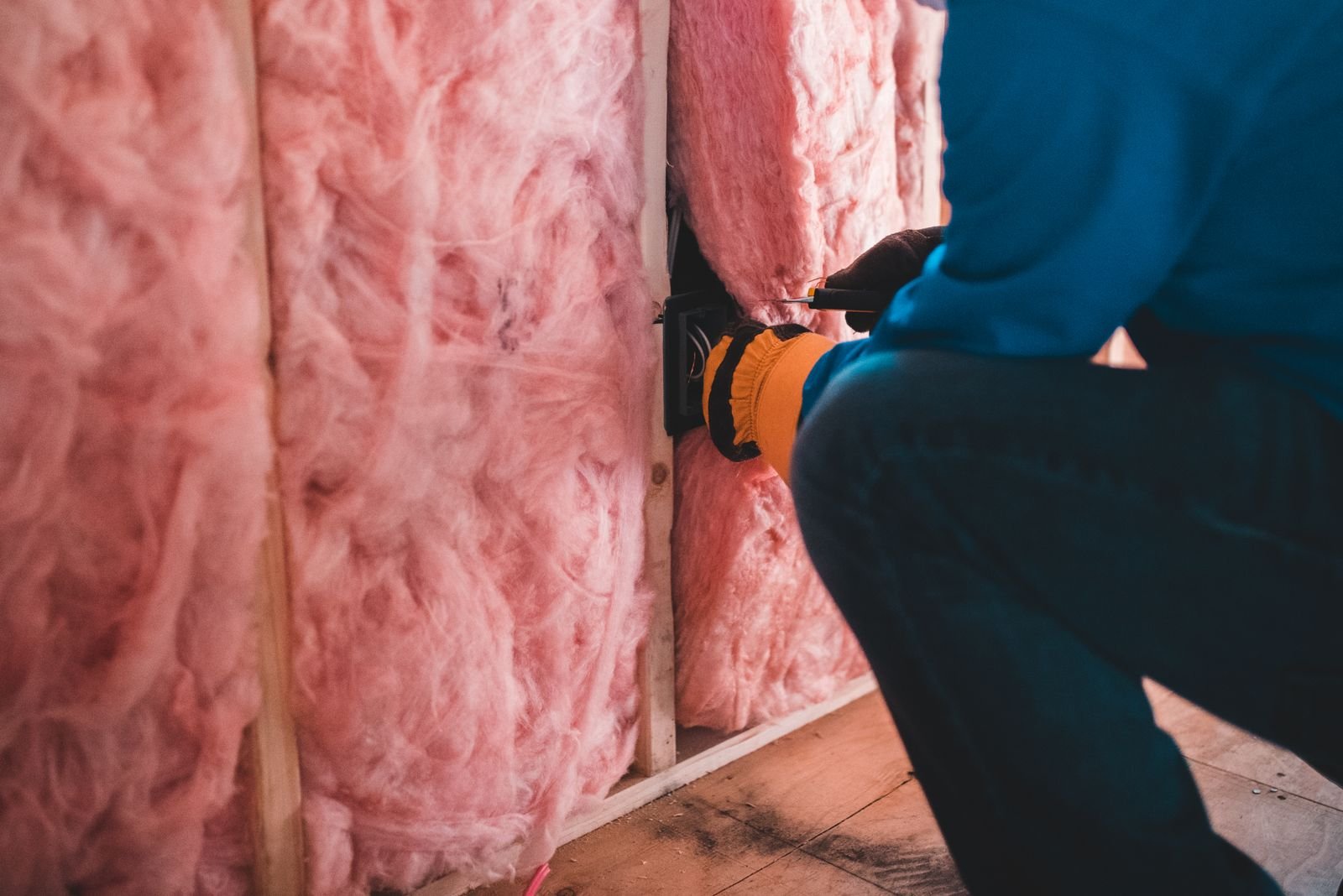
On the job
Same-week scheduling
Call for an inspection and a fixed quote — no forms, no waiting on a callback.
Through a professionally applied soil barrier treatment — not a DIY home remedy. A licensed application creates a continuous treated zone that DIY products can’t replicate.
For soil treatment specifically, cost varies by perimeter length, product used, and whether it’s a new treatment or a renewal. Call for a quote after inspection.
Generally around 5–10+ years, depending on the product and soil conditions, with periodic reinspection recommended.
Yes — a liquid termiticide barrier applied along and beneath the foundation perimeter is the standard method for subterranean termite protection.
Termite-only specialists
Call-only scheduling — talk to a real inspector, not a form.